Vans
Postgraduate project · Hyper Island
What would help more women feel welcome in skateboarding?
A digital strategy connecting Vans with female consumers, built around growing the female skateboarding community.
- Year
- 2015
- Discipline
- Business strategy
- My role
- Business model development, researcher (consumer behaviour, gender discrimination, competitor analysis), concept development, team facilitation
Vans asked us to develop a digital strategy to connect with women. We chose to focus on skateboarding because of its place in the brand's history.
Women who were new to skating could find the community intimidating. In our research, skaters described how gender discrimination affected their enjoyment of the sport and their willingness to continue.
Approach
We visited stores and House of Vans to see how the brand was connecting with women. We also joined a beginner skateboarding session and interviewed skaters at Manchester's Projekts MCR skate park.
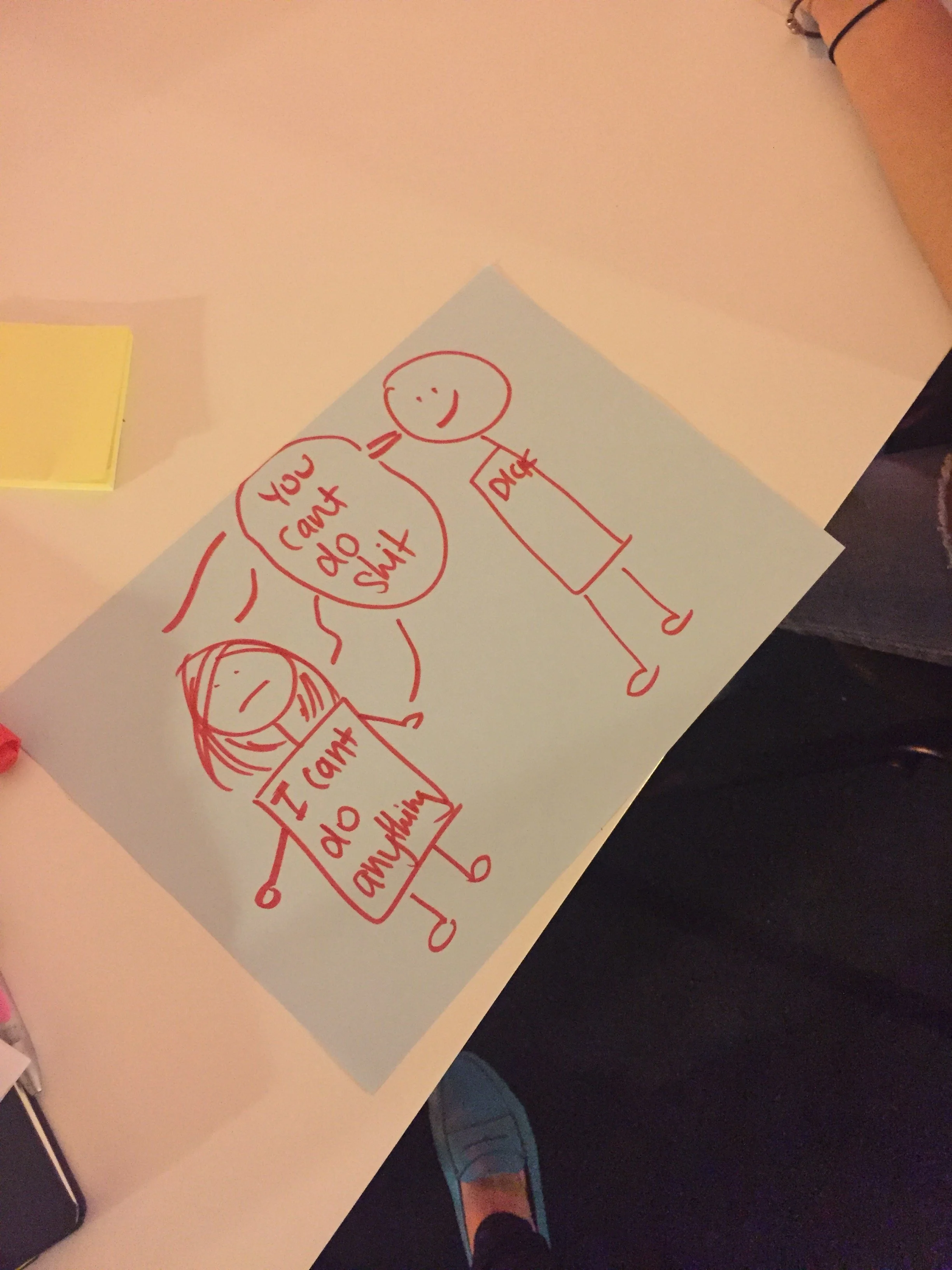
Women wanted to know other female skaters were nearby, so they didn't feel alone.
Outcome
We proposed ‘Vanship’, a platform where women could learn skateboarding from more experienced skaters and offer skills of their own in return, such as drawing or dancing. It would also help them find local peer support.
The concept would give Vans a way to understand what these communities wanted and plan relevant events or coaching. We also suggested it could be adapted for music, street culture, and fashion communities.
Reflection
Our team had to balance what would help women get into skating with what would make sense for Vans as a business. We disagreed at times and had to set aside time to resolve those disagreements. Returning to the project goals helped us discuss the options more constructively.
Team: Trishal Ghelani, Christine Valentin, Caio Felipe, Wanda Rossi, Tracey Valliere-Evans, JL Wong (Hyper Island)