Tan Tock Seng Hospital
How could TTSH make good patient service part of everyday work?
Developed and helped deploy a Patient Ambassador framework as part of the hospital's work to sustain service quality.
- Year
- 2012–2014
- Discipline
- Service design
- My role
- Concept development and deployment
In 2011, patient satisfaction at Tan Tock Seng Hospital's outpatient units fell from the previous year. The hospital wanted to understand what would improve the experience.
Patients praised individual staff through feedback forms, Facebook, and newspaper forums, but that recognition was sporadic. We needed a more consistent way to recognise good service and help staff learn from one another.
Approach
Alongside the usual patient feedback, the hospital ran focus groups. These showed that patients valued caring, knowledgeable staff as well as good facilities. We focused on how to support those qualities in frontline teams.
The Patient Ambassador framework
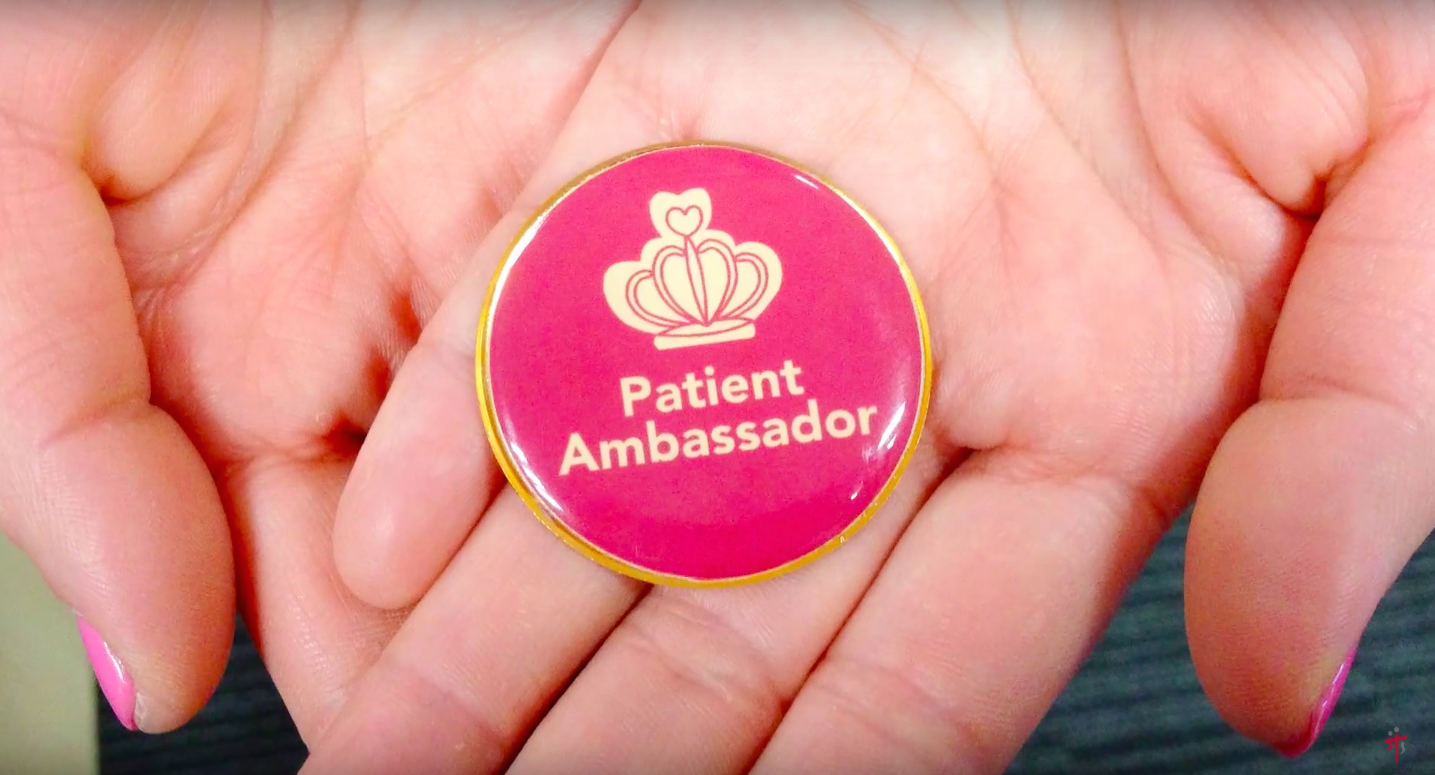
We developed the Patient Ambassador (PAM) framework around the hospital's five Patient Values: Good Outcomes, Safe Care, Coordinated Care, Valued as an Individual, and Value for Money. The programme had four aims:
- Recognise frontline staff who could serve as role models.
- Help staff develop into service team leaders and coaches.
- Give staff ways to share ideas and experience.
- Maintain a consistently high standard of service.
We had to listen to the concerns of frontline staff and middle managers while putting the programme into practice.
Outcome
Top 2
Specialist Outpatient Clinic patient-satisfaction ranking among Singapore public hospitals, sustained 2012–2014
Alongside other hospital initiatives, service compliments went up, and the hospital ranked among Singapore's top two public hospitals for Specialist Outpatient Clinic patient satisfaction from 2012 to 2014.
Reflection
Putting the framework into practice required careful work with frontline staff and middle managers. I had to understand their concerns and watch for unintended consequences during implementation. That part of the work taught me how much a service programme depends on the people being asked to use it.
Watch the PAM framework video on YouTube →
Team: PAM Workgroup, Tan Tock Seng Hospital